

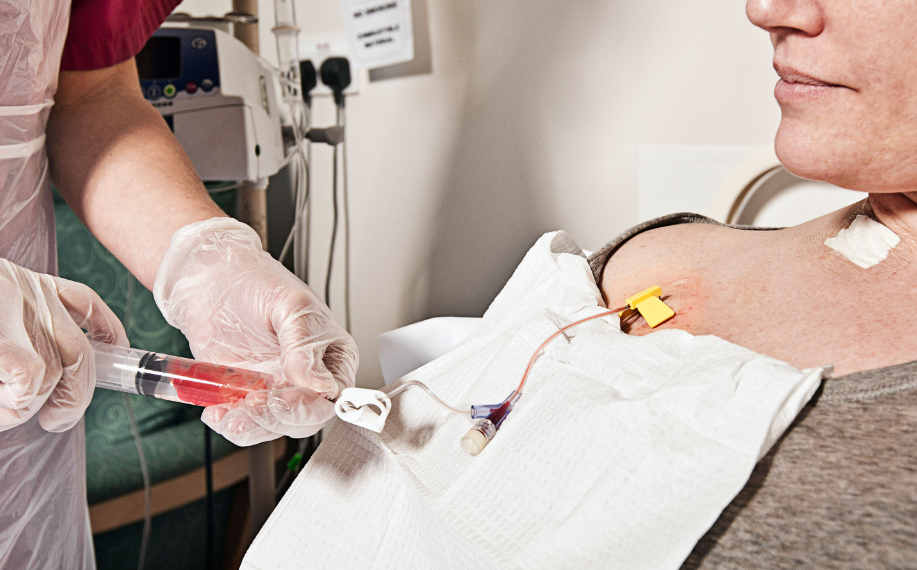
Chemo port insertion is a critical procedure that plays a pivotal role in the treatment journey of cancer patients. A chemo port (or portacath) is a small device implanted beneath the skin to provide access to veins for chemotherapy treatments, enhancing patient comfort and treatment efficacy.
Understanding Chemo Port Insertion
Chemo port insertion involves surgically placing a small reservoir (the port) under the skin, typically in the chest area. This port is connected to a catheter that extends into a major vein, often near the heart. The procedure is performed under local anesthesia, ensuring minimal discomfort for the patient.
Benefits of Portacath Insertion
The advantages of portacath insertion include:
- Improved Treatment Administration: Ports facilitate the direct delivery of chemotherapy drugs into the bloodstream, ensuring precise and effective treatment.
- Reduced Discomfort: Compared to traditional IV lines, ports minimize discomfort during treatments and eliminate the need for repeated needle sticks.
- Long-term Convenience: Ports can remain in place for months to years, accommodating multiple treatment sessions and medical procedures without frequent replacements.
The Procedure and Recovery
During chemo port insertion, a surgeon makes a small incision to place the port beneath the skin. The catheter is then guided into the selected vein using imaging techniques for accuracy. Once in place, the incision is closed with sutures or adhesive strips. Patients typically experience mild soreness or bruising post-procedure, which subsides within a few days.
Caring for Your Chemo Port
Proper care is essential to maintain the functionality and longevity of your chemo port:
- Regular Maintenance: Follow your healthcare provider’s instructions for flushing the port with saline to prevent clotting and infections.
- Monitor for Complications: Watch for signs of infection, such as redness, swelling, or drainage around the port site. Promptly report any concerns to your medical team.
- Lifestyle Considerations: Avoid activities that could damage the port, such as heavy lifting or wearing tight clothing over the insertion site.
Conclusion
Chemo port insertion is more than a procedural step; it represents a significant enhancement in the management of chemotherapy treatments. By providing reliable access to veins and reducing treatment-related discomfort, ports contribute to a better quality of life for cancer patients. If you or a loved one are considering chemo port insertion, understanding its benefits and proper care is essential for a successful treatment journey.