

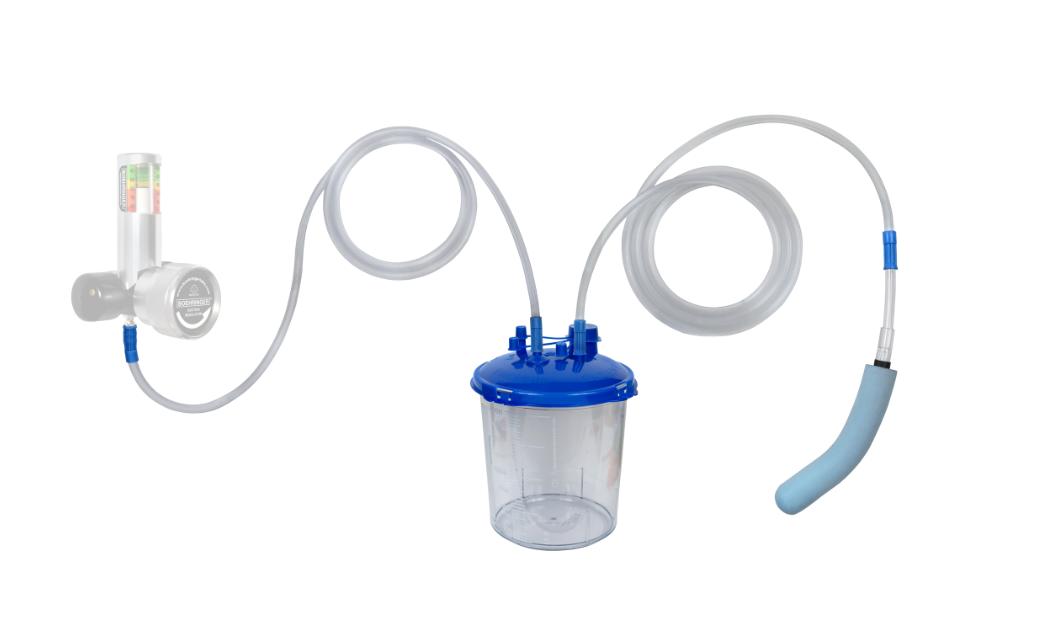
Managing urinary incontinence can significantly impact an individual’s quality of life. External catheters, also known as condom catheters for men and sometimes referred to as female external catheters or urine collection devices for women, offer a non-invasive solution for urine collection. These devices are applied to the outside of the body, unlike indwelling catheters, and are connected to a drainage bag. They provide a less intrusive method for managing urinary leakage, offering greater comfort and independence for many users.
The Advantages of Using External Catheters
One of the primary benefits of external catheters is their non-invasive nature. This eliminates the risk of urinary tract infections (UTIs) commonly associated with indwelling catheters, such as Foley catheters. They are also generally more comfortable to wear, allowing for greater freedom of movement and discretion.
For individuals with mobility issues or those who prefer a less medicalized approach to managing incontinence, external catheters can significantly improve their daily lives, enabling them to participate in social activities and maintain their dignity.
Potential Risks and Considerations
Despite their advantages, external catheters are not without potential risks. Skin irritation and breakdown are possible if the device is not fitted correctly or if proper hygiene is not maintained. Allergic reactions to the materials used in the catheter or adhesive can also occur.
In some cases, leakage may happen if the catheter is not securely attached or if the drainage bag becomes overfilled. Regular monitoring of the skin and ensuring the correct size and application technique are crucial to minimize these risks.
Exploring Alternative Management Options
While external catheters offer a valuable solution for many, several alternatives exist depending on the individual’s specific needs and circumstances. Intermittent self-catheterisation involves regularly inserting a thin tube into the urethra to drain the bladder. This method provides complete bladder emptying but requires manual dexterity and adherence to a strict schedule.
Absorbent pads and briefs are another common option, offering varying levels of absorbency for different degrees of incontinence. For some individuals, lifestyle modifications, pelvic floor exercises, or even surgical interventions may be considered. Consulting with a healthcare professional is essential to determine the most appropriate management strategy.
In summary, external catheters present a less invasive and often more comfortable method for managing urinary incontinence compared to indwelling options. While they offer numerous benefits, including a reduced risk of UTIs and increased independence, it’s important to be aware of potential risks such as skin irritation and leakage. Exploring alternative options and consulting with healthcare professionals ensures that individuals receive the most suitable product for their specific needs.