

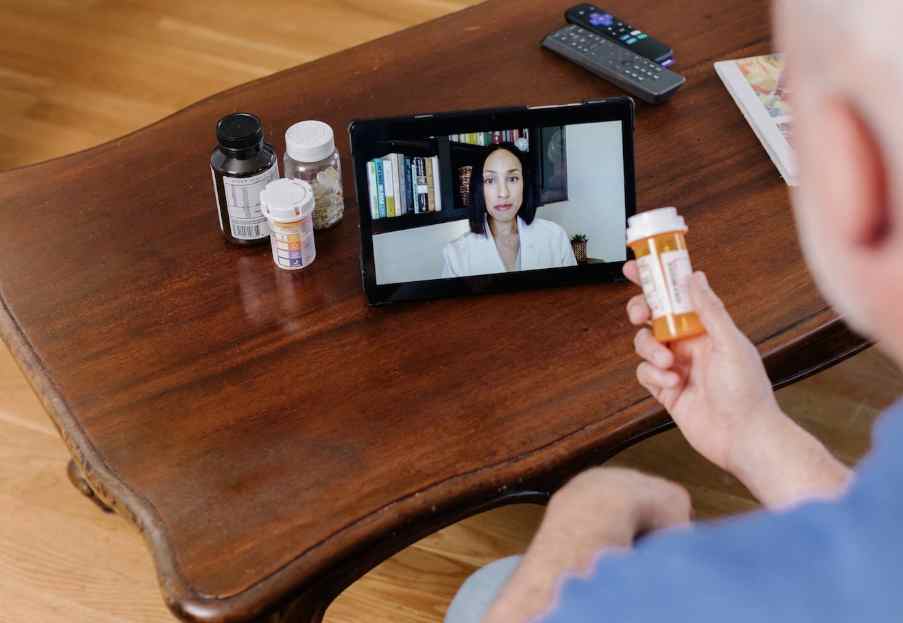
Running out of medication can create unnecessary stress, especially when a refill request is delayed because important information is missing. A simple routine can make the process easier: know how much medication you have left, understand the refill instructions, and contact the appropriate healthcare or pharmacy team before the supply runs out.
Modern patient portals can make this process more convenient. For example, Iris Medical Group explains an online refill process in which patients log into a secure portal, select a medication from their current prescription list, and submit a request for review.
Know How Much Medication You Have Left
One of the easiest ways to avoid a last-minute refill problem is to monitor your supply.
Do not wait until the final dose to think about the next refill. Look at the medication label and consider:
- How many doses remain
- How often you take the medication
- Whether refills are listed
- Whether the prescription has an expiration or end date
- Whether your pharmacy has a refill request already in progress
The earlier you identify a problem, the more time there is to resolve it.
Check the Prescription Label
Your medication label usually contains important information about how the prescription should be used and refilled.
Before requesting a refill, check the:
- Medication name
- Strength
- Directions
- Quantity
- Refill information
- Pharmacy information
If anything looks different from what you normally receive, ask the pharmacist or prescribing healthcare professional before making assumptions.
Never change the dose or frequency simply because the refill process is inconvenient.
Understand That a Refill Is Not Always Automatic
A refill request may require review.
A healthcare professional may need to determine whether the medication is still appropriate, whether the prescription remains valid, or whether an appointment, laboratory test, or other follow-up is needed.
This is one reason it is useful to request refills before the medication runs out.
A request that needs additional review can take longer than a routine pharmacy refill.
Keep Your Medication List Updated
People often take more than one medication, sometimes prescribed by different healthcare professionals.
Maintain a current list containing:
- Medication names
- Strengths
- How often you take them
- Prescribing clinician
- Reason for taking them, when useful
- Allergies or medication reactions
Also include over-the-counter medicines and supplements when discussing your medication list with a healthcare professional.
An accurate list can help reduce confusion and makes it easier to identify potential duplication or changes.
Use the Correct Refill Channel
Different practices may handle refill requests differently.
Some use patient portals. Others may ask patients to contact the pharmacy directly or call the medical office.
Before sending a request, understand which method your healthcare team expects.
If an online portal is available, make sure you are using the official website or application rather than entering health information into an unfamiliar service.
Never share your portal password with another person.
Give Complete Information
When submitting a refill request, provide the information requested by the healthcare team.
If there is a comment field, explain anything relevant, such as:
- You are changing pharmacies
- You have moved
- The pharmacy is out of stock
- You will be traveling
- Your medication was lost or damaged
- The medication directions have changed
Do not assume that the healthcare team already knows about changes that occurred outside the practice.
Clear information can reduce the need for additional messages.
Plan Ahead for Travel
Travel creates additional reasons to plan medication refills early.
Before a trip, check how much medication you will need and whether your current supply is sufficient for the entire journey.
Keep medication in its original labeled container when appropriate, and follow applicable transportation and storage requirements.
If the medication requires refrigeration or special handling, determine how you will manage those requirements during travel.
If you are traveling internationally, ask your healthcare professional or pharmacist about any special considerations before departure.
Do Not Stop Medication Just Because a Refill Is Delayed
If you are running out of an important medication, do not simply decide to stop taking it or change the dose on your own.
Some medications can cause problems when stopped suddenly, while others require gradual changes.
Contact the prescribing healthcare professional or pharmacist for guidance if you cannot obtain a medication as expected.
If you experience severe or unusual symptoms after missing medication, seek appropriate medical care.
Know the Difference Between a Refill and a New Prescription
A refill is generally associated with an existing prescription that still permits additional medication to be dispensed.
A new prescription may be needed when:
- The prescription has no refills remaining
- The prescription has expired
- The medication or dose needs to change
- A healthcare professional needs to reassess your treatment
- Your circumstances have changed
If you request a refill and are told that an appointment or new prescription is required, that does not necessarily mean something has gone wrong. It may simply mean the existing prescription can no longer be renewed as originally written.
Be Careful With Medication Changes
A refill request is not an opportunity to modify treatment without medical guidance.
Do not:
- Double a dose because you missed one
- Take an old prescription instead
- Share medication with someone else
- Use another person’s medication
- Change the schedule without instructions
- Save leftover medication for future symptoms unless specifically instructed
If you have questions about how to take your medication, ask a pharmacist or healthcare professional.
Create a Simple Refill Routine
People who take regular medication can make refills easier by creating a basic routine.
Once a month, for example, check:
- Which medications you currently take
- How many doses remain
- Which prescriptions need refilling
- Whether any appointments or tests are due
- Whether your pharmacy information is current
A reminder on your phone or calendar can help.
The goal is to make medication management a routine task rather than something you remember only when the bottle is nearly empty.
Final Takeaway
A smooth prescription-refill process starts with planning. Know your medication supply, read your prescription information, use the correct refill channel, keep your medication list updated, and allow enough time for clinical review when required.
Online portals can make refill requests more convenient, but convenience should not replace communication with healthcare professionals. If a medication is unavailable, a prescription has changed, or you are unsure what to do after missing doses, ask the pharmacist or prescribing healthcare professional for guidance.
A few minutes of planning can help prevent an avoidable gap in treatment and make medication management much easier to handle.