

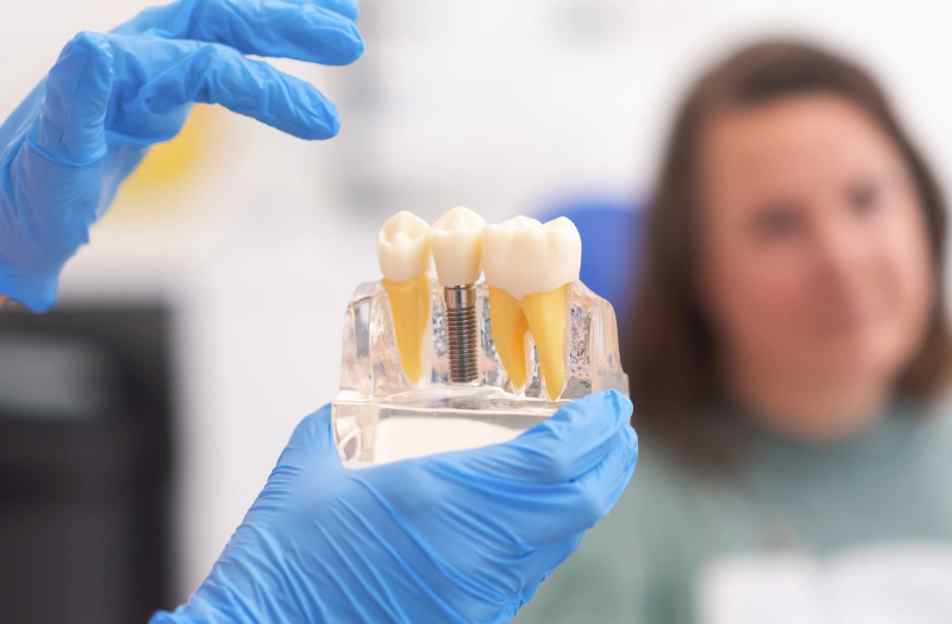
Learning that you or a family member needs oral surgery often brings up feelings of uncertainty. Whether it involves removing troublesome wisdom teeth, preparing the jawbone for restorative work, or resolving persistent jaw pain, surgical dental care plays a vital role in maintaining overall health. Many people feel intimidated simply because they do not know what happens before, during, or after the procedure.
Navigating surgical dental treatments becomes much simpler when you break down the process into clear, manageable phases. Clinical practices specializing in complex mouth and jaw procedures, such as those performing specialized oral surgery at Hughson Dental Implants, show how detailed diagnostic imaging and patient-centered preparation reduce anxiety while accelerating post-operative healing times. By understanding common surgical interventions and following proven recovery protocols, patients can approach their care with confidence and achieve long-lasting oral health benefits.
Common Types of Oral Surgery and Why They Are Performed
Oral surgery encompasses a wide range of procedures designed to correct structural issues within the teeth, jawbones, and surrounding soft tissues. Understanding why these procedures become necessary helps clarify their long-term health benefits.
1. Wisdom Tooth Extraction
Wisdom teeth, or third molars, are typically the last teeth to emerge in early adulthood. When there is insufficient space in the jaw, these teeth can become impacted—meaning they remain trapped under the gumline or grow at awkward angles. Removing impacted wisdom teeth prevents overcrowding, severe localized infection, damage to neighboring teeth, and the formation of painful cysts.
2. Bone Grafting for Structural Preservation
When a tooth is lost or extracted, the underlying jawbone naturally begins to shrink due to a lack of physical stimulation. Bone grafting involves placing specialized grafting material into areas of low bone density. This rebuilds the structural foundation of the jaw, ensuring adequate support for future tooth restorations or preventing facial collapse.
3. Corrective Jaw Surgery (Orthognathic Surgery)
When upper and lower jaws do not align correctly, it creates significant functional challenges. Corrective jaw surgery repositions the jawbones to improve basic biting function, resolve severe obstructive sleep apnea, and alleviate chronic jaw joint pain caused by temporomandibular joint (TMJ) dysfunction.
4. Tooth Extractions and Ridge Preservation
When a tooth is severely damaged by decay or trauma beyond the point of repair, surgical extraction is necessary to eliminate infection and protect surrounding teeth. Performing ridge preservation during the extraction helps maintain the natural shape and contour of the gum tissue and bone line.
Preparing for Surgery: Key Steps Before Your Appointment
Proper preparation before entering the surgical suite ensures a smoother procedure and sets the stage for comfortable healing.
Review Your Medical History
Be completely transparent with your surgical team regarding your full medical history. This includes listing:
- Current Medications: Inform your doctor about blood thinners, daily supplements, or over-the-counter pain relievers you take regularly.
- Pre-Existing Health Conditions: Mention underlying conditions like diabetes, heart disease, high blood pressure, or respiratory issues.
- Allergies: Note any past allergic reactions to antibiotics, latex, or local anesthetics.
Follow Fasting and Medication Instructions
If your procedure involves intravenous (IV) sedation or general anesthesia, you will be instructed to fast—avoiding all food and liquids—for six to eight hours prior to your appointment. Complying strictly with fasting rules prevents dangerous anesthesia complications.
Arrange Transportation and Home Support
Sedation impairs cognitive function, reaction times, and physical coordination for several hours after surgery. Arrange for a responsible adult driver to take you home and assist you with initial prescription care during the first few hours of recovery.
What to Expect on Procedure Day
Knowing the physical sequence of events on procedure day removes fear of the unknown and helps keep your nervous system calm.
Step 1: Pre-Surgical Setup and Monitoring
Upon arrival, the surgical team positions you comfortably in the chair and connects basic monitoring equipment to measure your heart rate, blood pressure, and oxygen levels throughout the procedure.
Step 2: Anesthesia Administration
Local anesthetic is administered to completely numb the target area, ensuring you feel zero pain. If sedation is planned, the medication is administered intravenously or inhaled to create a deeply relaxed, peaceful state.
Step 3: Surgical Execution
The surgeon carefully makes minor incisions in the soft tissue, accesses the underlying bone or tooth structure, and completes the necessary extraction, bone placement, or tissue repair using gentle, precise techniques.
Step 4: Closing and Gauze Placement
The surgical site is cleansed thoroughly with sterile fluid. Sutures (often dissolvable) are placed to close the tissue, and clean cotton gauze pads are applied over the area to apply gentle pressure and encourage clotting.
Post-Operative Care: Mastering the First 72 Hours
The first few days following oral surgery determine how quickly and comfortably your tissues heal. Following strict home-care protocols protects the surgical site and prevents painful complications.
[ Day 1: Clot Formation ] ──► Rest, ice pack application, soft foods, strict pressure on gauze.
[ Day 2 to 3: Swelling Peak ] ──► Gentle warm compresses, prescribed rinses, zero suction or spitting.
[ Day 4+: Tissue Healing ] ──► Gradual diet expansion, light activity, continued gentle hygiene.
Protect the Blood Clot
After a tooth extraction or surgical incision, your body forms a natural blood clot at the site to protect underlying nerves and bone. Dislodging this clot causes a painful condition known as dry socket.
- Avoid Straws: The suction created when drinking through a straw will pull the blood clot out of place.
- Do Not Smoke or Vape: Inhaling smoke introduces harmful chemicals and creates suction that disrupts healing.
- Avoid Vigorous Rinsing or Spitting: Swill liquids gently and let them fall out of your mouth into the sink rather than spitting forcefully.
Manage Swelling and Pain Effectively
Swelling is a normal inflammatory response that peaks roughly 48 hours after surgery.
- Apply cold ice packs to the outside of your cheek in 20-minute intervals during the first 24 hours to reduce swelling.
- Take prescribed or recommended over-the-counter pain relievers exactly as directed, ideally before the surgical anesthetic wears off completely.
Stick to a Soft-Food Diet
Nourish your body with soft, non-irritating foods while your mouth heals:
- Recommended Choices: Smoothies (eaten with a spoon), lukewarm soups, scrambled eggs, mashed potatoes, yogurt, and applesauce.
- Foods to Avoid: Crunchy chips, hard nuts, spicy sauces, acidic citrus fruits, and hot beverages that can irritate delicate tissue.
Core Summary Checklist for Surgical Recovery
- Prepare Ahead: Arrange transportation, stock up on soft foods, and share a complete medical history before your procedure.
- Protect the Site: Avoid using straws, spitting forcefully, or smoking to keep the protective blood clot intact.
- Rest and Recover: Prioritize sleep, manage swelling with ice, and follow medication instructions closely during the first three days.