

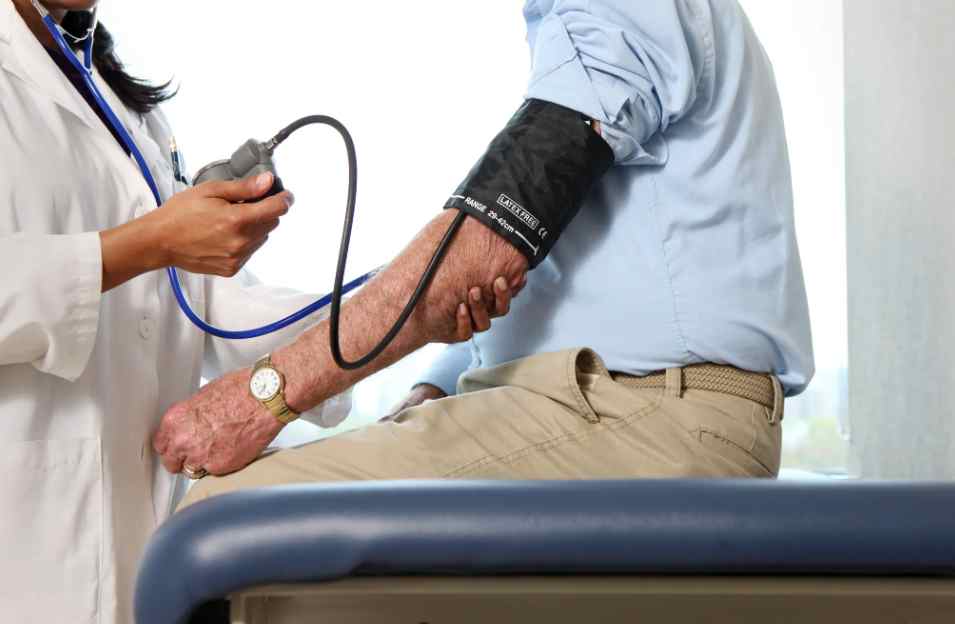
High blood pressure, medically known as hypertension, is often called a “silent killer.” This is because it usually develops over many years without showing any noticeable warning signs or symptoms. Even when you feel completely fine, high blood pressure can quietly damage your arteries, heart, kidneys, and other vital organs.
Understanding what blood pressure numbers mean, why managing them matters, and how to track your levels at home can help you take proactive control of your cardiovascular health.
What Do Your Blood Pressure Numbers Mean?
When a healthcare provider measures your blood pressure, they record two numbers, written as a ratio (for example, 120/80 mmHg). Each number tells a different story about the force of blood pushing against your artery walls.
- Systolic Pressure (Top Number): Measures the pressure in your arteries when your heart beats and pumps blood out.
- Diastolic Pressure (Bottom Number): Measures the pressure in your arteries when your heart rests between beats.
Understanding the Categories
- Normal: Less than 120/80 mmHg
- Elevated: Systolic between 120–129 and diastolic less than 80 mmHg
- Stage 1 Hypertension: Systolic between 130–139 or diastolic between 80–89 mmHg
- Stage 2 Hypertension: Systolic 140 or higher, or diastolic 90 mmHg or higher
A single high reading does not mean you have hypertension, as blood pressure naturally fluctuates throughout the day based on stress, physical activity, and caffeine intake. However, consistently high readings require attention and management.
Why Managing Blood Pressure Matters
When your blood pressure stays elevated over time, your heart has to work much harder to circulate blood. This extra strain thickens or damages your artery walls, making them narrower and less flexible.
Left unmanaged, chronic hypertension significantly increases the risk of serious medical conditions, including:
- Heart attacks and heart failure
- Strokes
- Chronic kidney disease or kidney failure
- Vision loss due to damaged blood vessels in the eyes
Because lifestyle factors heavily influence blood pressure, making consistent, small adjustments can yield profound long-term benefits.
Simple Lifestyle Habits to Support Healthy Blood Pressure
You do not need to overhaul your entire life overnight to see improvements in your blood pressure readings. Simple, sustainable habits can make a measurable difference:
- Reduce Sodium Intake: Excess salt causes your body to retain fluid, which increases pressure inside your blood vessels. Focus on eating fresh, whole foods and checking nutrition labels for sodium content.
- Stay Regularly Active: Physical activity helps strengthen your heart so it can pump blood with less effort. Even a brisk 30-minute walk most days of the week helps. If you are managing chronic health conditions, it is always wise to review new exercise plans with a professional resource or clinical team like Wes BMD to ensure your routine is safe and tailored to your needs.
- Manage Stress: Chronic stress keeps your body in a prolonged fight-or-flight state, which temporarily spikes blood pressure. Simple breathing exercises, meditation, or quiet hobbies can help regulate stress levels.
- Limit Alcohol and Avoid Tobacco: Both substances narrow blood vessels and elevate heart rate. Cutting back or quitting altogether protects your cardiovascular system.
How to Properly Monitor Blood Pressure at Home
Checking your blood pressure at home is one of the best ways to keep tabs on your cardiovascular health between medical appointments. To ensure your readings are accurate, follow these simple steps:
- Choose the Right Cuff: Make sure your home monitor fits your arm correctly. A cuff that is too small or too large will give inaccurate results.
- Rest Before You Measure: Sit quietly with your back supported and feet flat on the floor for at least five minutes before taking a reading. Do not talk or look at your phone during the measurement.
- Position Your Arm Correctly: Rest your arm on a flat surface so that the cuff is level with your heart.
- Be Consistent: Take your measurements at the same time every day—such as once in the morning and once in the evening—and record the numbers in a logbook or smartphone app to share with your doctor.