
Sleep Apnoea Treatment from Your Dentist: A Practical Path to Better Sleep
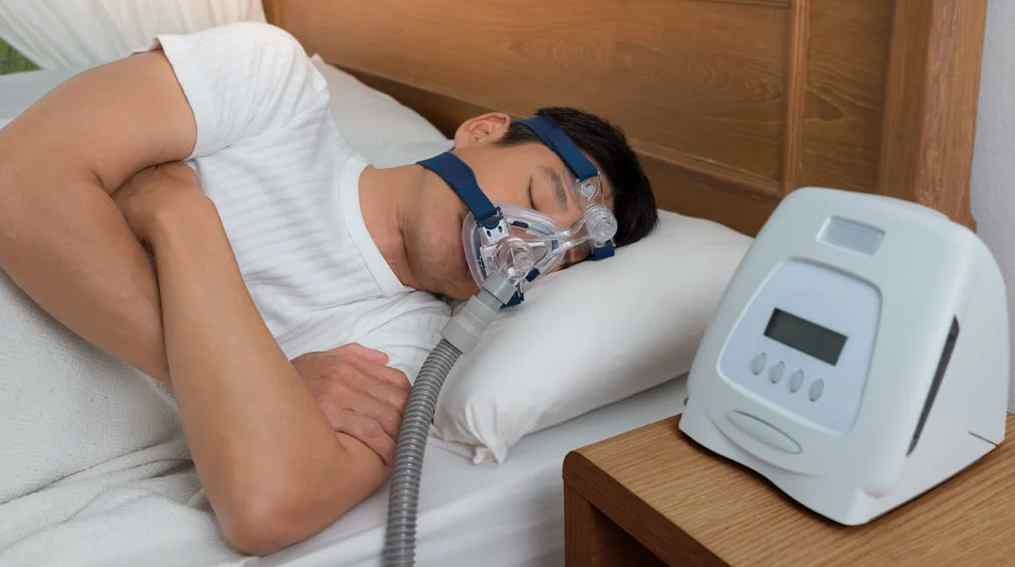
Many people are surprised to learn that their dentist can play a significant role in managing sleep apnoea. While CPAP machines are the most widely known treatment, sleep apnoea treatment with a custom dental appliance is an effective and often more comfortable alternative for mild to moderate cases — and for many patients who can’t tolerate CPAP therapy.
Ballina Coast Dental provides dental sleep apnoea treatment options for patients in the Northern Rivers region, working in collaboration with sleep physicians to achieve the best outcomes for each individual.
What Is Sleep Apnoea and Why Does It Matter?
Sleep apnoea occurs when the airway partially or fully collapses during sleep, causing breathing to pause repeatedly through the night. These pauses reduce oxygen levels in the blood, fragment sleep, and leave sufferers feeling unrefreshed regardless of how many hours they spend in bed. Over time, untreated sleep apnoea is associated with elevated blood pressure, cardiovascular disease, diabetes, cognitive impairment, and reduced quality of life.
Getting diagnosed and treated matters, and a dental appliance from your dentist may be the solution that finally makes treatment sustainable for you.
How Does a Dental Sleep Appliance Work?
A mandibular advancement device (MAD) is a custom-fitted appliance similar in appearance to a sports mouthguard. It holds the lower jaw in a slightly forward position during sleep, which prevents the tongue and soft tissues at the back of the throat from collapsing into the airway. The result is a more open airway, reduced snoring, and fewer apnoea events per hour.
The appliance is custom-made for your mouth, ensuring comfort and effectiveness. Ballina Coast Dental takes detailed impressions to fabricate a device that fits precisely and can be fine-tuned to achieve the optimal jaw position for your specific anatomy.
Who Is a Good Candidate for Dental Sleep Apnoea Treatment?
Dental appliances are most effective for mild to moderate obstructive sleep apnoea. They’re also a strong option for patients who have been diagnosed with more severe apnoea but find CPAP intolerable. A diagnosis from a sleep physician should always precede dental treatment to confirm the type and severity of sleep apnoea present.
FAQs About Sleep Apnoea Treatment with a Dental Appliance
Is a dental sleep appliance as effective as CPAP? For mild to moderate OSA, evidence shows dental appliances can be equally effective. Their advantage is that they’re more comfortable for many patients, leading to better nightly compliance.
How long does it take to get used to wearing a dental sleep appliance? Most patients adapt within a few weeks. Initial soreness in the jaw is common and typically resolves as the muscles adjust to the new position.
Does Medicare or private health insurance cover dental sleep appliances in Australia? Some private health funds provide a rebate for dental sleep appliances. Medicare coverage varies. Ballina Coast Dental can advise on the likely out-of-pocket cost based on your specific fund and treatment.