


Emergency health care is a must in sports, and defibrillators in NZ are an important part of that. In the adrenaline-charged world of sports, where athletes push their boundaries and fans hold their breath, there’s a crucial yet often overlooked hero—the defibrillator.
These life-saving devices are more than just a safety net; they can be the difference between life and death on the field.
Dealing with SCA on the Field
Sudden Cardiac Arrest is a silent, merciless adversary that can strike anyone, anywhere, even on the sports field. Even young athletes aren’t safe from it if the numbers are anything to be believed. This harsh reality can turn a triumphant moment into a heartbreaking tragedy. The urgent need for a swift response is evident.
The Significance of Defibrillators in Sports Settings
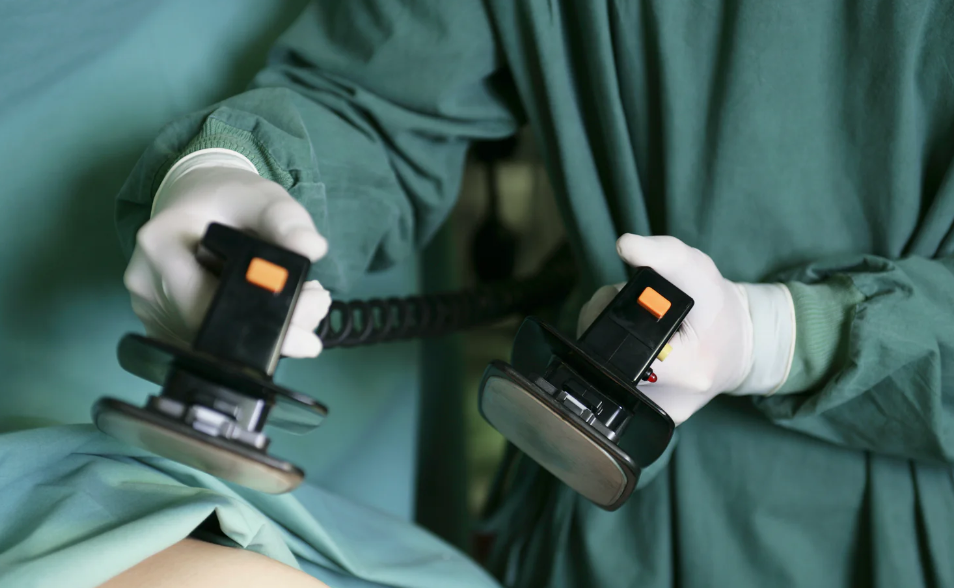
Defibrillators, often called AEDs, or automated external defibrillators, are portable devices designed to administer an electric shock to the heart, restoring its normal rhythm during SCA. Their user-friendliness guides untrained individuals through the process with clear voice and visual cues.
The essence of their effectiveness lies in early defibrillation. Each minute without defibrillation diminishes survival chances by 7-10%. In the world of sports, where seconds matter, having accessible defibrillators is paramount.
Training Sports Personnel in Defibrillator Use
Equipping sports personnel with the knowledge to use defibrillators is as vital as having the devices themselves. Numerous training and certification programs are available, often taking only a few hours to complete. Educating coaches, referees, and even athletes on device operation and the AED in defibrillators can be a game-changer.
Real-life accounts abound of trained individuals making life-saving interventions. Consider the case of Fabrice Muamba, a former professional footballer who collapsed on the pitch due to SCA. A quick response from trained medical staff and a defibrillator saved his life.
Challenges and Solutions
Implementing defibrillators in sports arenas does come with its share of challenges. Costs, maintenance, and ensuring device accessibility and functionality can pose hurdles.
Nevertheless, solutions exist. Public and private partnerships can contribute to funding defibrillator installation and upkeep. Advocacy from organizations and governing bodies is crucial to standardizing their placement.
Conclusion
In the fast-paced realm of sports, where every second counts, defibrillators in NZ are an essential part of any first-aid kit. Yet, their effectiveness hinges on two pivotal factors: accessibility and education.
Every athlete, coach, and spectator should be aware that a defibrillator is within reach, and prepared to act when needed. Just as we prepare for the big game, we must prepare for the unforeseen.